5 Critical Pension Drawdown Risks Every Retiree Must Understand
Deep dive into: longevity risk (outliving savings), market volatility risk, inflation erosion, sequencing risk, and withdrawal rate risk. Provide FCA data on...
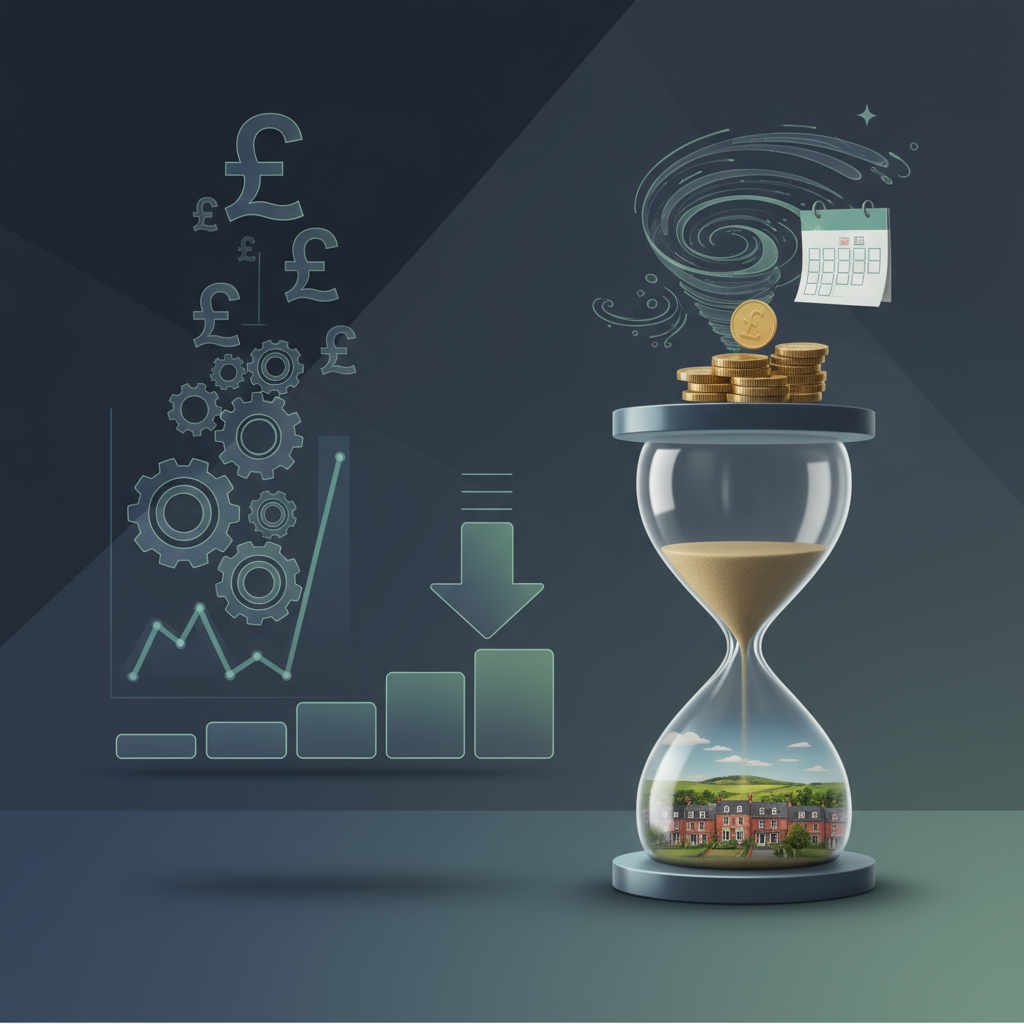
Choosing how to take your pension money at retirement is a pretty big decision, and for many in the UK, pension drawdown is a popular option. Instead of buying an annuity straight away, drawdown lets you keep your pension pot invested and take an income directly from it. It offers a lot of flexibility, which can be really appealing. You get to decide how much to take and when, and your money stays invested, potentially growing further.
However, with that flexibility comes certain risks. It's not simply a case of setting it up and forgetting about it. If you're thinking about pension drawdown, or you're already in it, understanding these potential pitfalls is incredibly important. Knowing what to look out for can help you make better decisions, protect your retirement savings, and enjoy a more secure financial future. Let's look at five key risks you should be aware of.
What is Pension Drawdown and Why is it Popular?
Before diving into the risks, a quick recap on what pension drawdown actually involves might be helpful. Since the pension freedoms were introduced in 2015, people in the UK over 55 have had much more choice about how they access their defined contribution pension pots. Pension drawdown, also known as 'flexi-access drawdown', is one of these main options.
Instead of converting your whole pension pot into a guaranteed income for life (like an annuity), with drawdown, your money stays invested in funds. You then take an income as and when you need it, directly from this invested pot. You can usually take up to 25% of your pension pot tax-free as a lump sum, and the rest goes into drawdown.
The main appeal? Flexibility. You're not tied to a fixed income just yet, and your money has the potential to keep growing. This can be particularly attractive if you want your income to vary, perhaps taking out more in your early retirement years for travel, and less later on. It also means you can leave any remaining pension funds to your beneficiaries when you pass away, often tax-free if you die before age 75.
Risk 1: Investment Performance - When Your Pot Doesn't Grow Enough
This is probably the biggest and most discussed risk when it comes to pension drawdown. When your money stays invested, its value can go up, but it can also go down. You're relying on your investments performing well enough to both provide you with an income and last throughout your retirement.
What "Investment Performance" Means For Your Pension
In drawdown, your pension pot is invested in various funds, which in turn hold things like shares, bonds, and property. The value of these can fluctuate daily. If your investments grow steadily, great! Your pot could last longer or even provide a higher income. But if they perform poorly, especially when you're taking money out, it can seriously impact your long-term income.
The Impact of a Poor Market
Imagine you're taking £2,000 out of your pension each month and then your investments drop in value by say, 10% in a year. Not only has your pot shrunk, but the income you're taking is now making an even bigger dent in the remaining funds. This is often called "pound cost ravaging" or "sequencing risk". It means that poor investment returns early in your retirement can have a much more damaging effect than poor returns later on.
How to Think About This Risk
Diversification: Don't put all your eggs in one basket. A well-diversified portfolio spreads your money across different types of investments and regions, which can help cushion the blow if one area performs badly.
Risk Tolerance: You need to be comfortable with the level of risk your investments are taking. As you get older, or if you're particularly risk-averse, you might want to adjust your portfolio to be less volatile.
Regular Reviews: Don't just set up your investments and forget them. Review their performance regularly - at least once a year, or whenever there are significant market changes.
Expert Advice: A financial adviser can help you choose appropriate investments for your specific situation and risk appetite. They can also help you understand how much you can realistically take out given your investment strategy.
"Understanding how your investments work and the level of risk you're taking is paramount with pension drawdown. It's not a 'set and forget' solution." - Local Financial Adviser
Risk 2: Running Out of Money - The Longevity Risk
This is arguably the most frightening prospect for many retirees: outliving their money. With an annuity, your income is guaranteed for life, no matter how long you live. With drawdown, you bear the risk that your pension pot might not last as long as you do.
What "Longevity Risk" Means
People are generally living longer than ever before. While this is great news, it also means your retirement savings need to stretch further. If you underestimate how long you'll live, or if you take too much income in your earlier retirement years, you could find your pension pot dwindling just when you need it most.
Imagine you plan for your money to last until you're 90, but you live until 95. That's an extra five years of income needed, which can put a significant strain on your remaining funds if you haven't planned for it.
Factors Affecting How Long Your Money Lasts
Your Income Level: The more you take out, the faster your pot will shrink. It's simple maths.
Investment Returns: As discussed, poor returns will mean your money lasts less time.
Charges: Fees for managing your investments and the drawdown plan itself nibble away at your pot.
Inflation: The rising cost of living means your money buys less over time, so you might need to take out more each year just to maintain your lifestyle.
Dealing with Longevity Risk
Sustainable Withdrawal Rates: This is a key concept. Financial advisers often talk about a "safe" withdrawal rate, perhaps starting around 3-4% of your pot's value each year, though this isn't guaranteed and depends heavily on your specific circumstances and investment performance.
For example, if you have a £300,000 pension pot, a 3% withdrawal rate would mean taking out £9,000 a year.
Flexibility with Income: Be prepared to adjust your income if investment returns are poor or if your expenses change. Don't commit to a fixed high income if your circumstances don't support it.
Review Your Plan Regularly: Life changes. Your health, your spending habits, and market conditions will all evolve. Regularly review your income strategy with a professional.
Consider a Blended Approach: Some people use a portion of their pension to buy an annuity later in retirement, providing a guaranteed income once they reach an older age, while using drawdown for the earlier, more flexible years.
Risk 3: Taking Too Much Income Too Soon - The "Early Spending Spree"
The freedom to access your money as you wish is fantastic, but it can also be a double-edged sword. There's a real temptation to treat yourself in early retirement, perhaps paying off the mortgage, buying a new car, or going on that dream holiday. While enjoying your retirement is important, taking too much money out early on can seriously jeopardise your financial security in later life.
The Problem with High Early Withdrawals
When you take a large chunk of money out, particularly early in your retirement, you reduce the capital that can remain invested and potentially grow. This means there's less money left to generate future income. It's like eating all the jam in the jar at once - lovely in the moment, but nothing left for later.
This compounds the investment performance risk too. If you take a large withdrawal during a market downturn, you're effectively "selling low", locking in losses and significantly reducing your pot's ability to recover.
Real-World Example
Let's say Margaret has a £250,000 pension pot. In her first year of retirement, excited to travel, she decides to take out £40,000 (16% of her pot) in addition to her tax-free lump sum. If the markets perform poorly that year, her remaining £210,000 might then fall in value, leaving her with greatly diminished funds for the next 20-30 years of retirement compared to if she had taken a more modest £10,000.
Managing Your Income Responsibly
Budgeting: Work out your actual spending needs in retirement. Don't guess. Create a realistic budget for immediate expenses and ongoing living costs.
Phased Withdrawals: Instead of taking one big lump sum (beyond your tax-free cash), consider setting up regular, manageable withdrawals.
Think Long-Term: Always ask yourself, "Will this withdrawal leave enough for my later years?" It's not just about today's wants, but tomorrow's needs.
Financial Advice: A qualified adviser can help you calculate a sustainable income level based on your pot size, planned expenses, and risk profile. They can model different scenarios for you.
Risk 4: Inflation Eating Away at Your Spending Power
Inflation is the silent assassin of savings. It means that over time, your money buys less and less. While a seemingly small percentage point or two each year doesn't sound like much, over 20 or 30 years of retirement, it can have a truly massive impact on your income's real value.
How Inflation Works in Retirement
Let's say you're taking out £15,000 a year from your pension today, and inflation is running at 3%. In ten years, you'd need to take out roughly £20,159 just to have the same spending power as £15,000 today. If your pension pot hasn't grown enough to support this increased withdrawal, your lifestyle will suffer.
Unlike some annuities that offer inflation-linked increases, pension drawdown generally doesn't have a built-in inflation protection mechanism, unless your investments grow significantly to counteract it.
Why This Matters for Drawdown
You might need to increase your withdrawals over time just to keep pace with rising costs.
If your investments aren't growing at least at the rate of inflation (and ideally more to cover your income withdrawals), your pot is effectively shrinking in real terms.
High inflation periods can quickly erode your planned retirement income.
Protecting Your Pension from Inflation
Investment Growth: Your pension investments ideally need to aim for growth that beats inflation over the long term, after accounting for any income you're taking. This means your portfolio might need to carry a certain level of equity (shares) exposure, which generally offers stronger long-term growth potential than bonds or cash, but also comes with higher risk.
Flexibility: Be prepared to adjust your spending habits during periods of high inflation.
Review and Adjust: Factor inflation into your regular financial reviews. Are your income withdrawals keeping pace with inflation? Is your investment strategy still appropriate to achieve this?
Consider a Mix of Assets: A balanced investment portfolio that includes assets historically shown to perform well during inflationary periods (e.g., certain types of property, commodities, or inflation-linked bonds) could offer some protection.
Risk 5: Understanding and Managing Tax Implications
Pension drawdown offers flexibility, but it's not without its tax complexities. The rules around how your income is taxed can be confusing, and getting it wrong can mean you pay more tax than necessary or face unexpected tax bills.
What You Need to Know About Drawdown and Tax
While you can take up to 25% of your pension pot tax-free (your Pension Commencement Lump Sum, or PCLS), any income you take from your remaining drawdown pot is treated as taxable income. This means it's added to any other income you have (like state pension, other private pensions, or earnings from work) and taxed at your marginal rate of income tax.
The 'Money Purchase Annual Allowance' (MPAA)
One particular tax trap to be aware of is the Money Purchase Annual Allowance (MPAA). If you trigger the MPAA, perhaps by taking out taxable income from your drawdown pot in a flexible way (e.g., more than your usual regular income, or an uncrystallised funds pension lump sum), your ability to contribute to other defined contribution pensions in the future without a tax charge significantly reduces. It typically drops from £60,000 a year to just £10,000 a year.
This is really important if you're semi-retired or planning to work part-time in retirement and want to continue saving into a pension.
Other Tax Considerations
Emergency Tax: When you first take flexible income from a drawdown pot, your pension provider might apply an emergency tax code. This can lead to paying too much tax initially, which you'll then need to reclaim from HMRC.
Inheritance Tax: While pension pots aren't normally subject to inheritance tax, rules around how they are passed on if you die before or after age 75, and whether they are in drawdown or an annuity, can be complex in terms of who gets them and any income tax payable by beneficiaries.
Getting Your Tax Right
Understand Your Income: Keep track of all your income sources to ensure you know which tax band you fall into.
Seek Tax Advice: Tax rules are complex and can change. A financial adviser or tax specialist can help you plan your withdrawals in the most tax-efficient way.
Beware the MPAA: If you plan to continue working and contributing to a pension, fully understand the MPAA and how to avoid triggering it if possible, or factor it into your plans.
Check Your Tax Code: Review your P45 or P60 each year to make sure your tax code is correct. If you've paid emergency tax, make sure you reclaim it.
Bringing it All Together: Making Drawdown Work for You
Pension drawdown offers a fantastic amount of choice and flexibility for your retirement income, but it's clear it comes with significant responsibilities. It really isn't a hands-off approach. Managing these five key risks - investment performance, running out of money, taking too much too soon, inflation, and tax - matters a great deal for your financial well-being.
Key Takeaways:
Plan Carefully: Don't just jump in. Think about your income needs, your lifestyle goals, and how long you expect your money to last.
Stay Engaged: Keep an eye on your investments and how they're performing. Review your income levels regularly.
Be Flexible: Life doesn't always go to plan. Be prepared to adjust your income and spending as circumstances change.
Seek Expert Help: This is perhaps the most important point. A regulated financial adviser specialising in retirement planning can provide tailored advice, help you understand the risks, create a suitable investment strategy, and guide your income decisions. Their initial advice can be invaluable and often protects you from costly mistakes in the long run.
Understanding these risks isn't about scaring you away from drawdown, but rather empowering you to make informed decisions and manage your retirement funds with confidence. With careful planning and ongoing review, pension drawdown can be a very effective way to fund a flexible and fulfilling retirement in the UK.
Are you considering pension drawdown or already using it and have questions about these risks? Seeking professional financial advice can make a real difference to your retirement security. Don't hesitate to reach out to a qualified adviser to discuss your specific situation.